How to Find Community While Traveling Abroad with Kids
Brittney Clark
·
·
7
min read
·

Written for
World travel families
We invited several local families over for a big meal.
We usually travel without joining a worldschool hub. We still want our children to make friends, learn from people who live there, and take part in the community around us.
For us, that starts with meeting people and asking questions. Local churches, humanitarian projects, and families willing to share what they know have opened up opportunities we would not have found by looking only for organized programs.
If you want to travel this way, here is where we would start.
Reach out to people who already know the community
We contact local churches, Facebook parent groups, expat groups, and worldschool hub groups to meet people and get advice. Those are all useful starting points. But our secret sauce has been finding people who have spent years living and serving in the community.
Three resources have been especially useful:
The Church of Jesus Christ of Latter-day Saints. We have found congregations, branches, and smaller groups even in small or remote places. Its meetinghouse guidance and locator help you find a chapel and contact information. The leaders we have contacted have been friendly and excited to help.
Local humanitarian groups, ministries, and community nonprofits. People who work alongside local families can be a wealth of knowledge. Ask about ways to contribute, families with children, and people who might be interested in teaching or sharing a skill.
English-speaking churches and churches led by expats. In Mexico, Roatán, and Guatemala, we have met people from abroad who have spent much of their lives serving the communities where they now live.
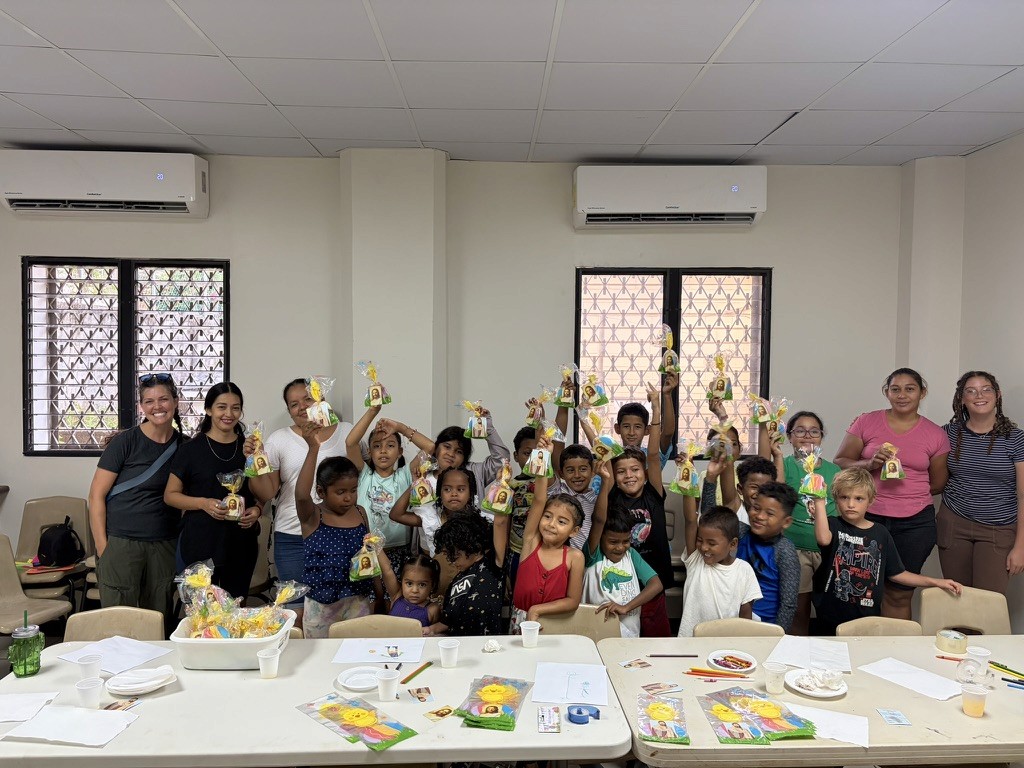
Brittney and Eden volunteered to lead this church youth activity.
An American, Canadian, or another English speaker who knows the area can be particularly helpful when you are getting settled. You can explain your needs easily, and someone familiar with your background can understand what you are asking. They also know the local community well enough to guide and direct you.
Reach out before you arrive if you can. Explain your children’s ages, how long you plan to stay, and what you are looking for. Ask about local families, homeschool activities, opportunities to volunteer, or someone willing to teach your children.
Ask for an introduction or a place to begin. You can follow up from there.
Look for people willing to share what they know
When we say local learning opportunities, we mean more than classes listed on a website. Some of our experiences have come from local people who are happy to share something they know and love doing. They are not running a hub or a school.
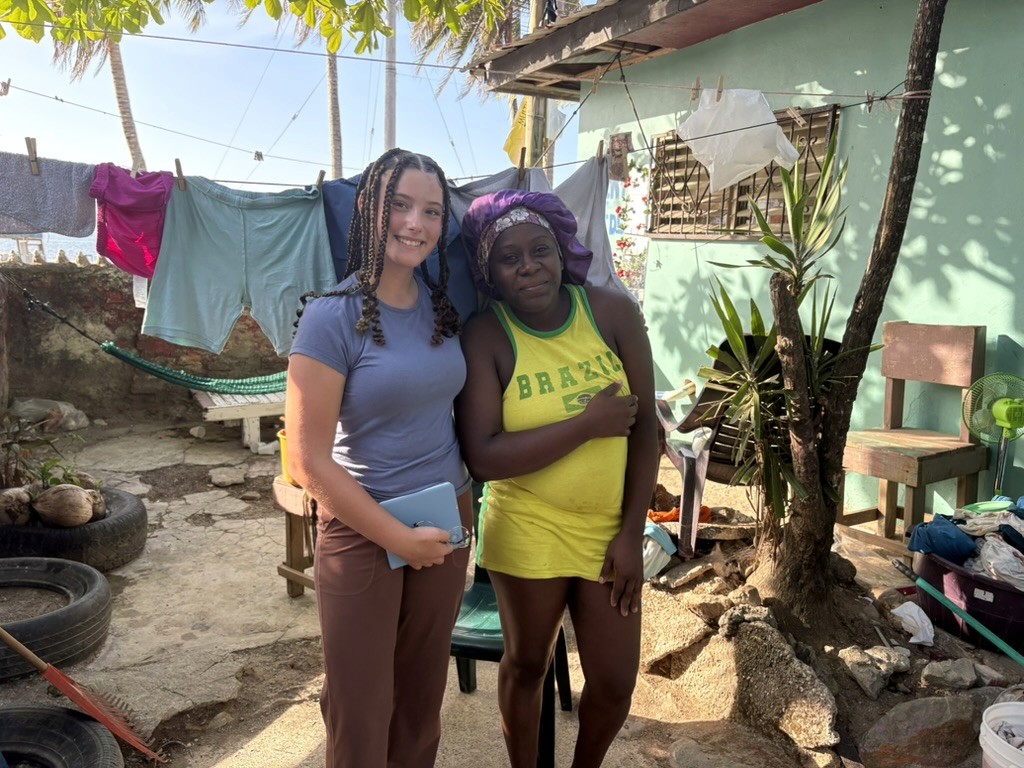
In Roatán, we made friends with Garifuna people and did a braiding class with them. Our children learned braiding techniques, and our daughter’s hair was braided. We also had opportunities to learn fishing and how to recognize animals on the reef.
In Guatemala, our children spend four hours on Thursdays with a local family at their farm. Every day is different. Activities have included:
Helping with farm chores, including planting and harvesting onions and sorting and drying beans.
Cooking local dishes and learning to start the fire in the cooking stove.
Learning Spanish and hearing local legends, lore, and history.
Playing soccer.
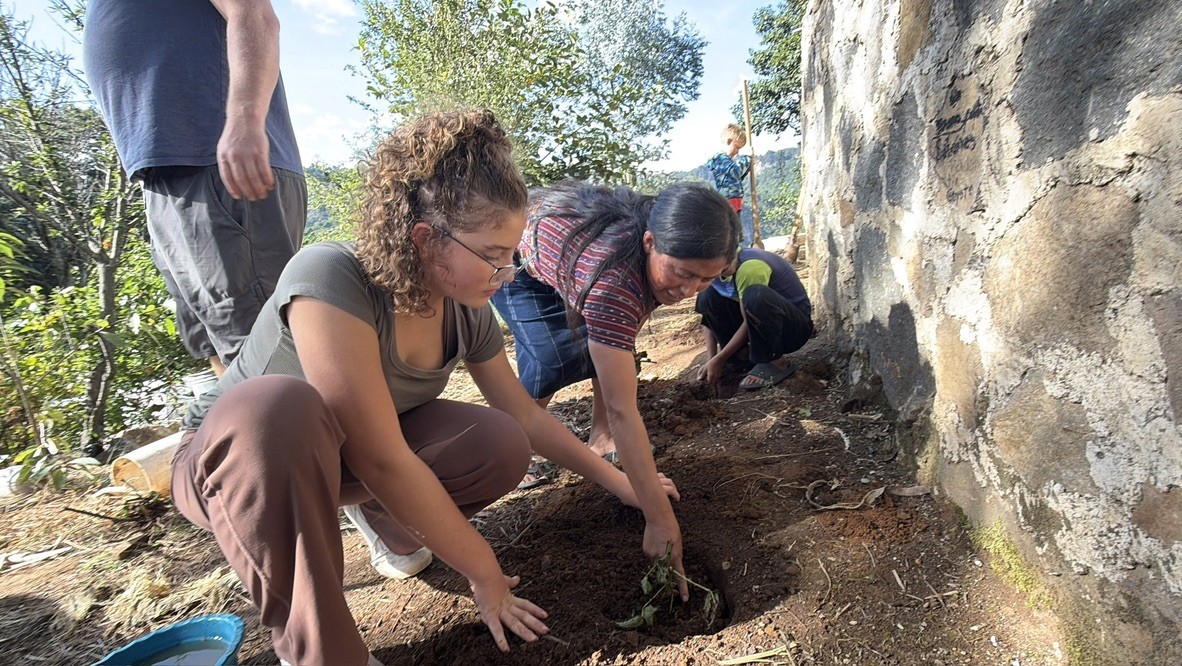
That is the kind of opportunity we want parents to know is possible. A family may be willing to teach cooking, farming, a craft, or a language without offering a formal education program.
Ask people what they enjoy doing and whether they would be interested in sharing it with your children. Explain what your kids are curious about. If someone is interested, talk through the activity, language, time involved, and whether you will participate alongside them.
These arrangements have been inexpensive for us, and we can benefit the people teaching us directly. The opportunity grows out of a personal connection, with an arrangement both families are comfortable with.
Give back in a way that feels welcome
When someone shares their time and skills, talk about what payment or contribution would be welcome. Do not assume that an informal invitation means their time has no value.
The woman teaching our Thursday classes initially insisted we did not need to pay her. We felt that what she was doing for our children was worth it. We bought produce from her and paid more than its price as a way to express our gratitude.
We also learned that offering too much could make her uncomfortable. There is a happy medium. Ask, listen, and work out something that feels right to the person sharing their time.
On Roatán, one man was willing to take us fishing on his boat if we paid for fuel. He could enjoy fishing too, and we could spend time together. Sometimes an arrangement can be that simple.
Churches and community projects are also places to ask about volunteering. Be clear about how long you will be there and what your family can offer, then let the people running the project tell you what would help. Brittney and Eden volunteered to lead a church youth activity, one way our family has contributed while spending time with people in the community.
Make the invitation yourself
You can also be the family that invites people over. We invited several local families for a big meal. They were very touched and told us they had never had an American invite them over for food before.
We have also invited people over for a crafting project. A meal or something to do together gives everyone time to talk and get to know one another.
If you have the space, make a simple invitation. Ask what timing works and what people would enjoy. You can offer a place to gather as well as accepting other people’s invitations.

We invited people over for a crafting project.
Consider staying outside the main tourist areas
You can make friends in tourist areas. We have also found that in places where people regularly work with visitors, our first interactions often center on what we are going to buy or pay for.
Outside those areas, some of our deeper connections have developed through simply meeting people and spending time together. We have formed friendships that are not centered on a financial transaction.
For a family wanting to get to know local life more directly, consider looking beyond the main tourist town when choosing where to stay. Check how transport, errands, and activities will work from that base.
Be willing to experience the place as it is. The boats and outings we joined were straightforward, without the extra comforts you might expect from a packaged trip. Ask what an activity involves and decide whether it works for your family.
Those experiences have been incredible for us, but choose around what your family actually needs. A quieter community will not suit every stay.
Use online groups, then keep asking locally
Facebook can be a great place to get information. We have also found that recommendations often point toward expat services, worldschool hubs, and organized activities. Those can be useful, but they are only part of what is available.
Ask specifically about informal homeschool activities, local families, or people willing to teach a skill. Then keep asking the people you meet in person. Some opportunities will come through an introduction rather than an advertised class.
Hubs work well for many traveling families. For families who prefer our approach, use those groups for information while building your own connections.
Once you meet someone you enjoy spending time with, make another plan. Return to the activity, ask when you can meet again, and leave room in your week for the relationship to grow. Start with people who know the area, follow the introductions, and take part while you are there.
Related posts


Get new posts by email, a few times a month, nothing else.
May there be a road.