Should You Finance an RV? The Real Cost Explained
Preston Clark
·
·
3
min read
·

Written for
RV families
The monthly payment can make an RV look affordable. It does not tell you whether the RV fits your budget, what the loan will cost, or how hard it may be to sell if your plans change.
If you are thinking about full-time RVing, build the whole budget before you buy. Include the RV, insurance, repairs, fuel, and places to stay. Do not assume life on the road will automatically cost less than your current life. A low payment does not make the larger plan affordable.
A long loan can cost far more than the payment suggests
For illustration, a fixed $100,000 loan at an 8% interest rate for 15 years has a payment of about $956 a month. If you make every scheduled payment, you will pay about $72,000 in interest over the full loan term, before fees and the other costs of owning the RV. The principal is still due too. That is a long time to owe money on something that usually loses value.
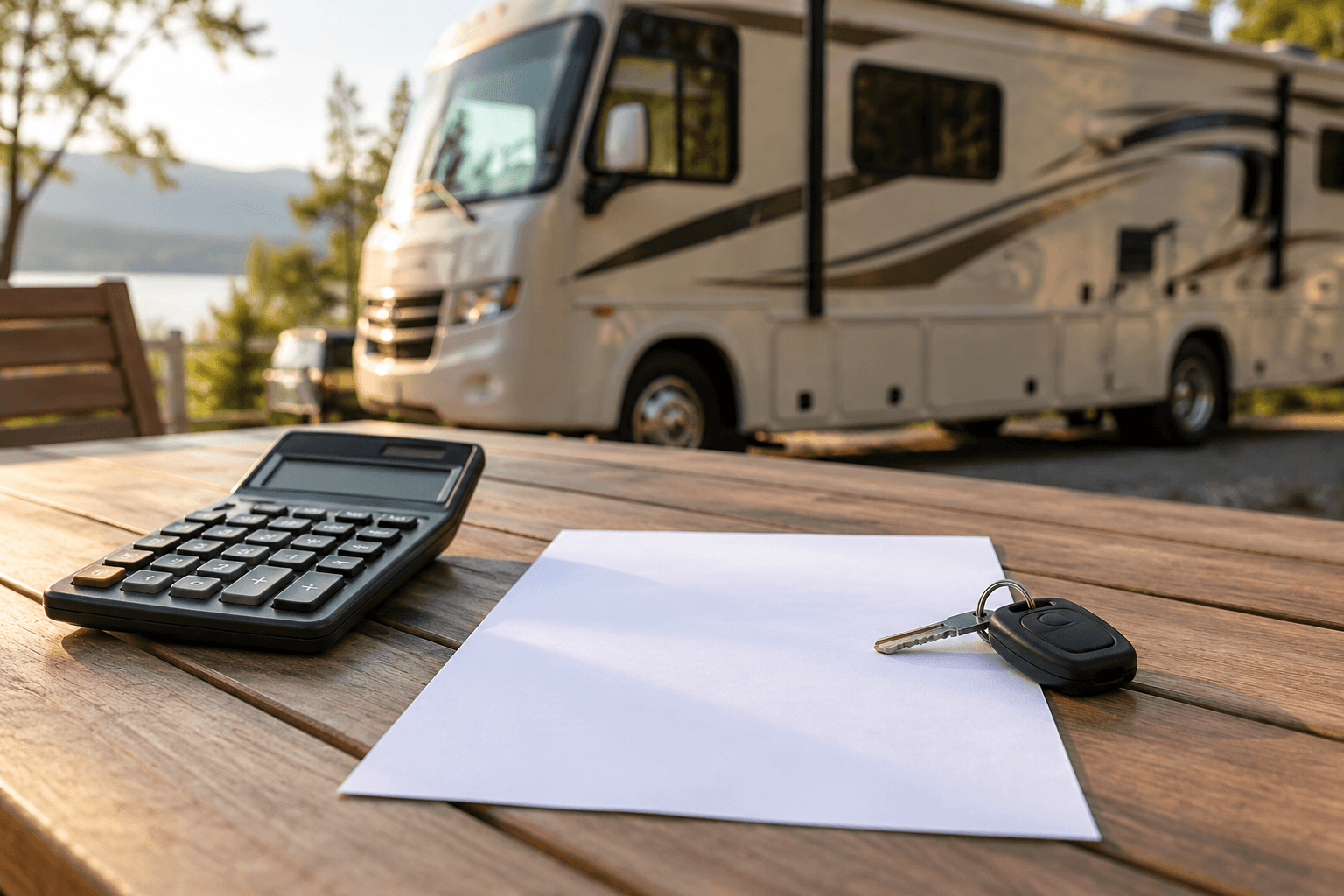
The Consumer Financial Protection Bureau explains that longer vehicle loans lower the monthly payment but increase the interest paid and the risk of owing more than the vehicle is worth. Loan term and negative equity
The loan can outlast your way out
An RV can lose value faster than the loan balance falls, especially early in a long loan. When you owe more than you could get by selling it, you are underwater, also called having negative equity. The amount you put down, the loan balance, and the RV’s resale value all affect how long that gap lasts. A 15-year term does not guarantee you will be underwater for a set number of years, but it can leave you with a hard-to-exit loan for a long time.
If you need to sell while you are underwater, the sale proceeds will not pay off the loan. You need cash to cover the difference. If you do not have it, you may have to keep paying on an RV you no longer want or can afford. That is the exit plan many buyers forget to make.
Think carefully before turning home equity into an RV
For many households, a home is their largest asset and an important part of their long-term financial plan. A home may appreciate over time. A new RV is much more likely to depreciate. Selling a home and putting all of its equity into a new RV moves money from an asset that may grow in value into one that is likely to lose value.
That does not mean you cannot choose full-time RVing. It means you should be honest about the trade. Do not call the RV a financial investment or count on travel savings to make the purchase pay for itself. If you sell your home, set aside money for your next housing plan and emergencies, and think carefully before using the remaining equity. Money kept invested for retirement still has the opportunity to grow; an RV cannot do that for you.
If the numbers are tight, look at used RVs
If this is mainly a money decision and you cannot comfortably buy an RV without a long loan, do not stretch for a new one. Look for an older used RV that has already lost much of its new-unit value, but verify the price for that exact year, model, and condition. Age alone does not prove that an RV has passed its steepest depreciation. RV values vary by type and market: J.D. Power’s 2025 year-end RV report shows different value movements across RV segments. A lower purchase price can limit how much of your savings or home equity is tied up in the RV, but it does not guarantee that the value will stop falling or that you will avoid negative equity. Get the RV inspected and budget for repairs.
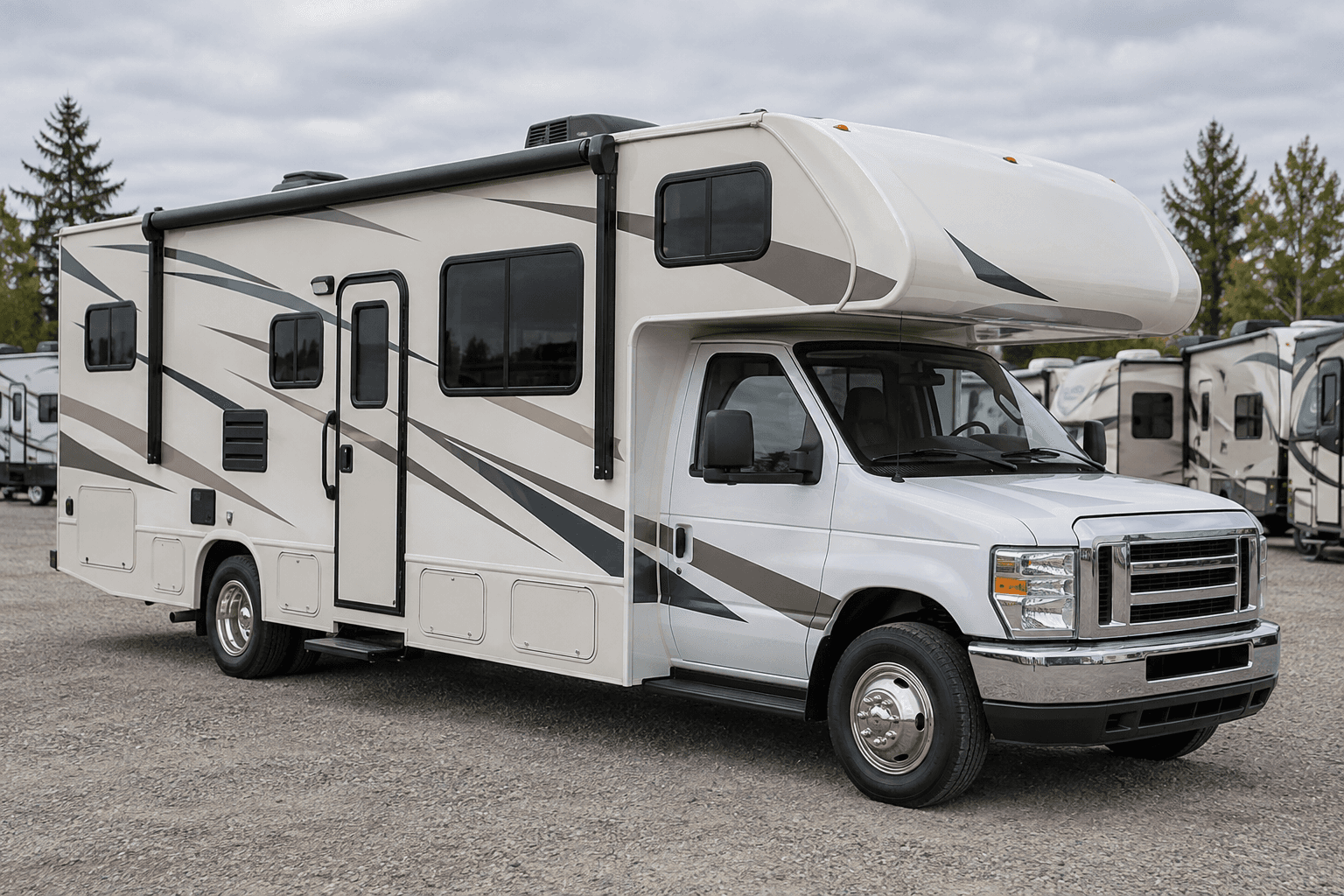
Paying cash for a new RV avoids interest, but it does not avoid depreciation. If you are using home-sale proceeds, putting the full amount into a new RV can still damage your long-term plan. We paid cash for our current RV and truck, and bought a used RV in a slower part of its depreciation curve. That choice does not eliminate costs. It helps us limit them.
The rule we would use
If the RV is a lifestyle choice, decide what it is worth to your family and make sure the full cost fits your budget. If the goal is to protect your finances, buy used, avoid a long loan, and keep money available for the rest of your life and retirement.
The safest plan is to pay cash for an RV you can afford without draining your future. If you must borrow, choose a used RV, borrow as little as possible, and use the shortest term you can comfortably manage. If that still requires a 15-year loan, buy a less expensive RV or wait. Do not trade your financial flexibility for a payment that only looks manageable.
For more on the loan-to-value calculation and why owing more than a vehicle is worth can make it harder to sell, see the CFPB’s explanation of loan-to-value and negative equity.
Related posts


Get new posts by email, a few times a month, nothing else.
May there be a road.