Was It Worth It? 18 Months of Full-Time RV Life With Kids
Preston Clark
·
·
11
min read
·
Written for
RV families
We spent almost eighteen months on the road, and it was a learning experience the entire time. A lot of the way we traveled was not common in the RV world. Most of the people we researched recommended getting memberships and clubs and sticking to certain areas or certain types of campgrounds. Because of the way we needed to travel with our son, we were constantly looking for off the beaten path, boondocking-type places, somewhere with lots of room and fewer campers and people around.
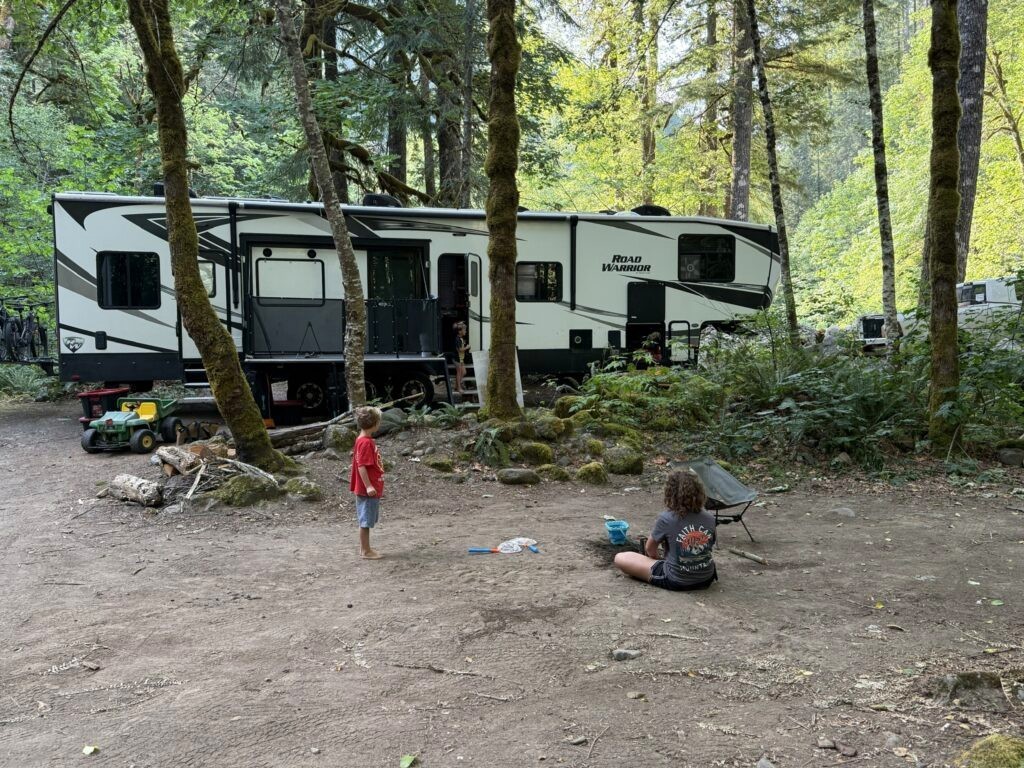
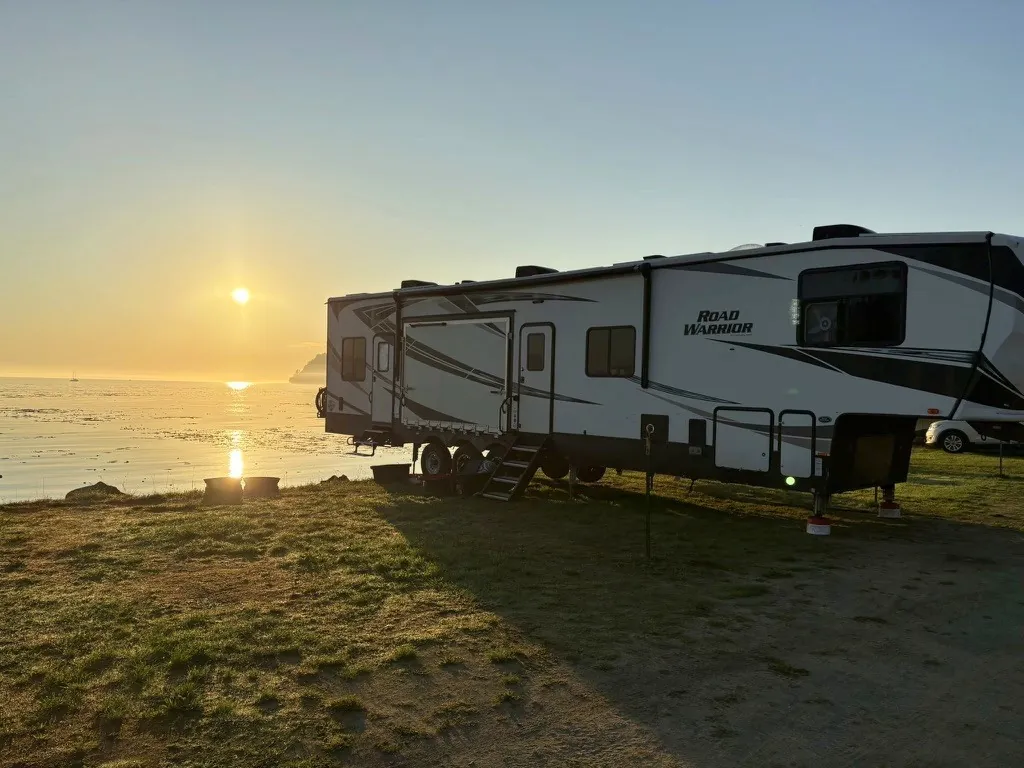
That doesn't mean we didn't spend plenty of time in RV parks. We did. At first we were hitting a lot of the major ones, because we didn't know the effect it would have on our son. We spent the first four and a half months in very nice RV parks, and they were challenging. Eventually we realized it was just too much to be in those concentrated, people-heavy places, and that's when we started branching out and trying boondocking and rural spots. On the coast, boondocking was less available, so we did less of it there.
By about eight months in, we had mostly lost the habit of making reservations. We discovered that a lot of the places we actually wanted to stay didn't have reliable reservation systems, because they were usually minimally staffed and often didn't answer their phones. So we learned to just hit an area and boondock while we looked for the right place. We used iOverlander to find boondocking that would let us stay long enough to figure out where we actually needed to go, and that became the norm. After those first eight months we almost never had reservations. We'd plan on what area we were headed to, then go check out the RV parks and boondocking spots in person and figure out where we wanted to be.
The bulk of our time ended up in RV parks, though we found the quiet ones, and some were remote enough that you didn't even have hookups. We tried just about every type of RV living there is, and we loved every bit of it. We learned what works for us and what doesn't.
We were well on our way into another year of plans we had made and were excited to carry out when our rig got totaled. Otherwise we'd still be doing it even now. When we first found out the insurance was going to replace everything, we thought we'd jump right back in. But as things started to take longer and longer, we realized it was a good time to take a break until everything settled out. Even now, we miss certain aspects of the RV life. We're adjusting, and it's getting easier, but like anything, it takes time.
What Made It Worth It
A lot of what we loved came down to how much smaller everything got. When you don't have much space, and you don't have TVs that really work, life narrows to what's in front of you. Our RV came with five TVs and we never hooked up any of them except one, and even that one we rarely turned on. When we were boondocking we almost never ran the AC either. So the kids got used to being outside, because outside was more comfortable. We used the RV to sleep in, to eat in, and to shelter from rough weather. Otherwise the kids wanted to be out first thing.
It got to where we didn't need an alarm clock. RV doors are loud to open and close, and our son is always up at first light. He would crawl down from his loft bed somewhere between five thirty and six thirty, depending on when the light came, and as soon as the first light hit the RV he was up and out of there. That was what woke us up most mornings.
Owning less stuff meant less headache, less time out of our day, less stress, and usually less money. For us, needing less money has meant needing less income. We had spent years working to earn as much as we could and then living on it, so slowing down and realizing our needs had dropped way down was a welcome change. We don't have to push the way we used to. We make just enough now, and put the rest of our energy into time with the kids and exploring. What we found is that a simpler life can actually be fun, and happier and more content.
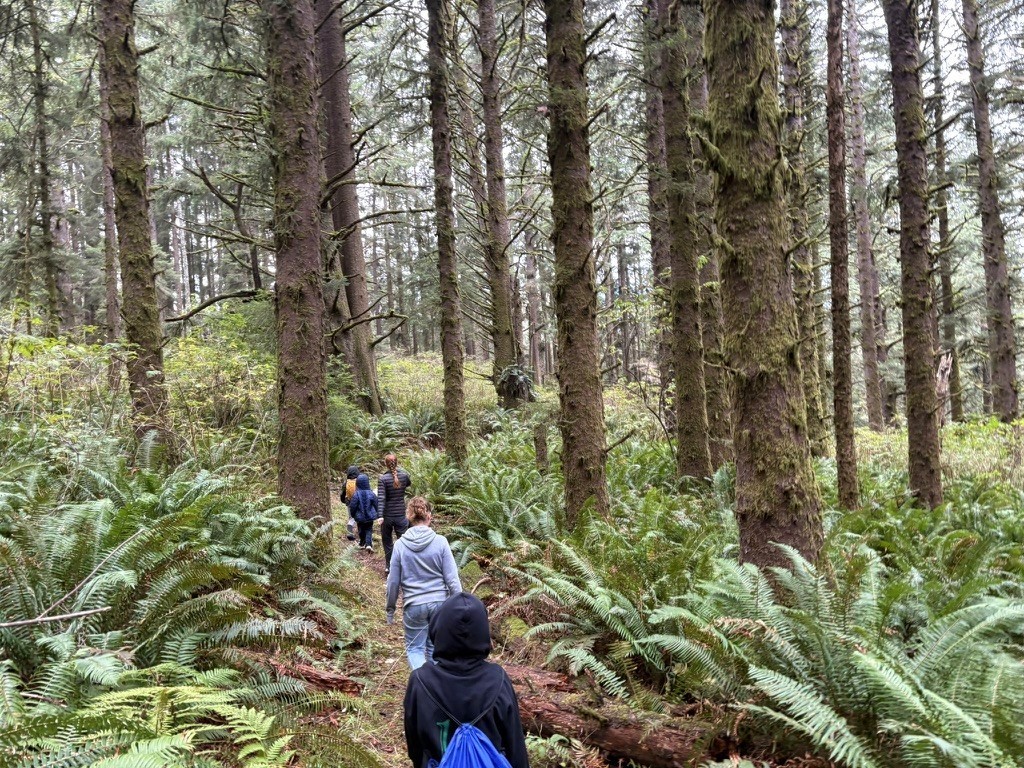
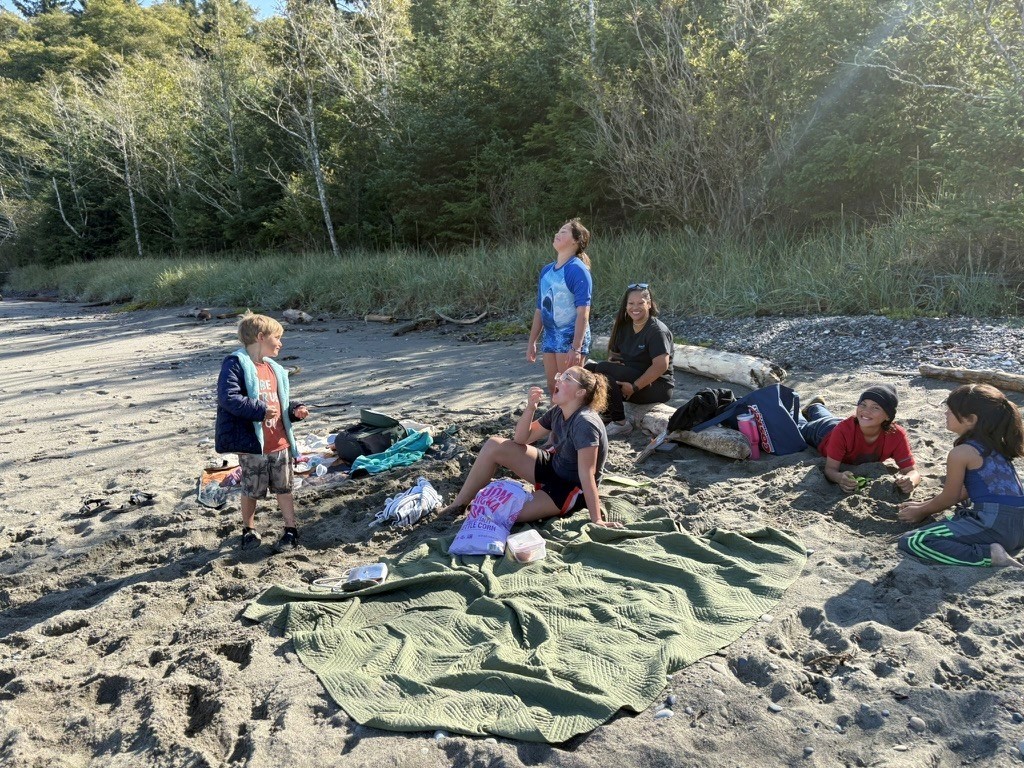
Our closeness went up. The number of outings and hikes we go on has probably gone up sixfold. As a family we get out at least three to five times a week together, and that's not counting the days one of us is working and the other takes the kids out on their own. We keep it simple. We're hiking, hitting museums, exploring historical sites, playing on the beach. We started eating together too. Back home it was rare that we ate a single meal together, maybe dinner on a weekend. Now it's two meals a day on average, sometimes three.
One thing we held onto through all of it is reading and reciting poetry together every night. We did it before we ever started RVing, though it was harder to keep going then, and once we were in the RV it got easier to hold. Everyone gathers around the couch and snuggles in, and Brittney, who has a real gift for memorizing poetry, helps us practice ours and then recites poems to us. Then we take turns reading. She is an avid reader, so she picks beautiful books she has loved and we read them together. Sometimes it's an audiobook instead, but either way it's screen-free, and it's some of the best time of the day.
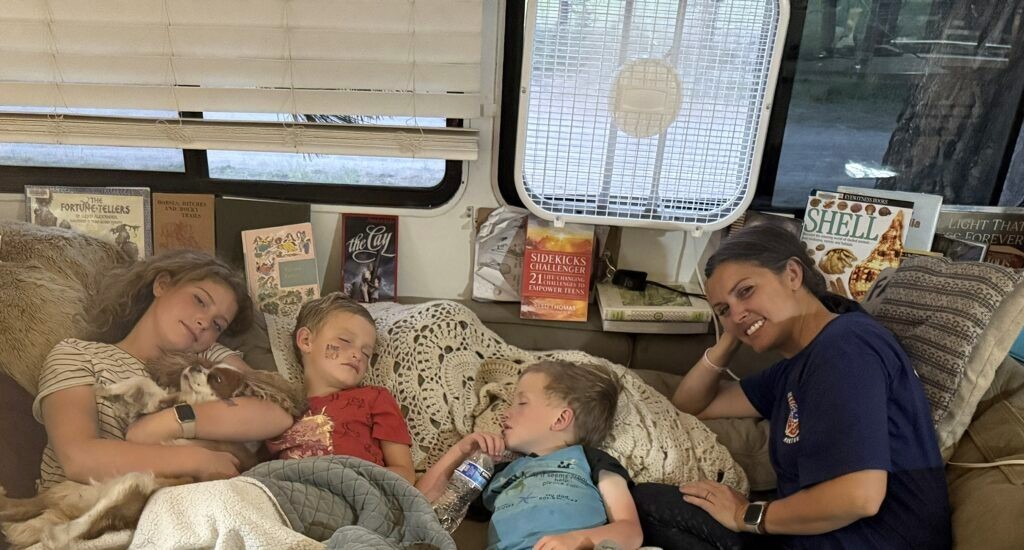
The thing we landed on is that you don't have to be in an RV for this. The RV just forced us to simplify. We'd always told ourselves we would, and maybe in some ways we had, but never to the degree that got forced on us once we moved in. Sometimes you have to change the whole environment before you can really do it, and we're forever believers in that now. The RV was a major overhaul of our life, a reduction in what we spent in time and money and mental energy, and a refocus on what matters most.
That said, the grass isn't always greener. Some aspects of RV life we just love, and others are harder than regular life. Even loving it the way we do, we'll tell you straight that you give up things you love in return for other things. For everything you gain, you give something up. The travel part can be exhausting, mentally and physically both. There were so many times we stopped and said we couldn't believe we were there, that we got to see it and take it in slowly instead of rushing through the way you do on most vacations. And there were other times when, as a family, we felt worn out from moving, from packing up and setting back down.
Where Home Sits Now
Home for us has changed. We always felt Utah was home, and for most of our lives it was. We don't think we're going back, at least not to live. Something in us has shifted enough that home isn't a single place on a map anymore. We're grateful for everything we got to experience growing up there, and we'll always want more of it as visitors. But we've come to want our kids raised around different cultures and different ways of living, and there's still so much of the world we haven't explored.
Everywhere we've been, even the places that didn't blow us away at first, we stayed long enough to start seeing why people love it there. And then there are the places that grabbed us the moment we arrived. Either way, the longer we're somewhere, the more we understand it.
Utah gave us four real seasons, gorgeous mountains, lakes and rivers, hunting and hiking land, Zion within reach. We were raised there and we're grateful for it, and even after all those years there are places all over that state we never fully got to. The Pacific Northwest was almost always awe for us, green and wild and mild, the kind of beauty you don't mind trading a little for. It is hard on an RV, mold and damp are a constant battle there, and no matter what you do it's hard to keep it from starting to ferment, as we called it. By the Olympic Peninsula it felt like every permanent structure we saw had a layer of moss or mold somewhere on it, and any RV that had sat a year had a thick coat of it. People there just get used to it. You live in a musty home, you live in a musty RV, and that's part of the trade for getting to be somewhere that beautiful.
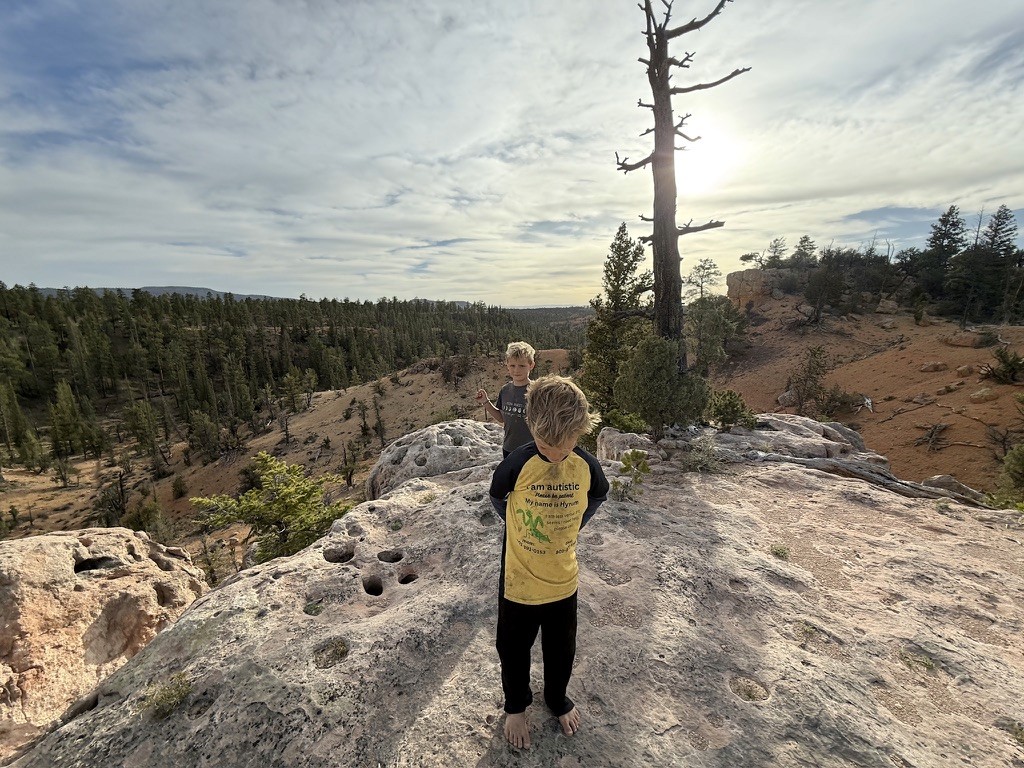

Montana stayed with us, the green pine, the lakes, the mountains, and some of the kindest, most helpful people we met anywhere. Up in Stanley, Idaho, in the Cascade area, we fell for the sheer majesty of the mountains. Good people, very remote, and we can't think of many places where a view has taken our breath away the way that one did. The rivers we got to play in and raft and kayak down were incredible.
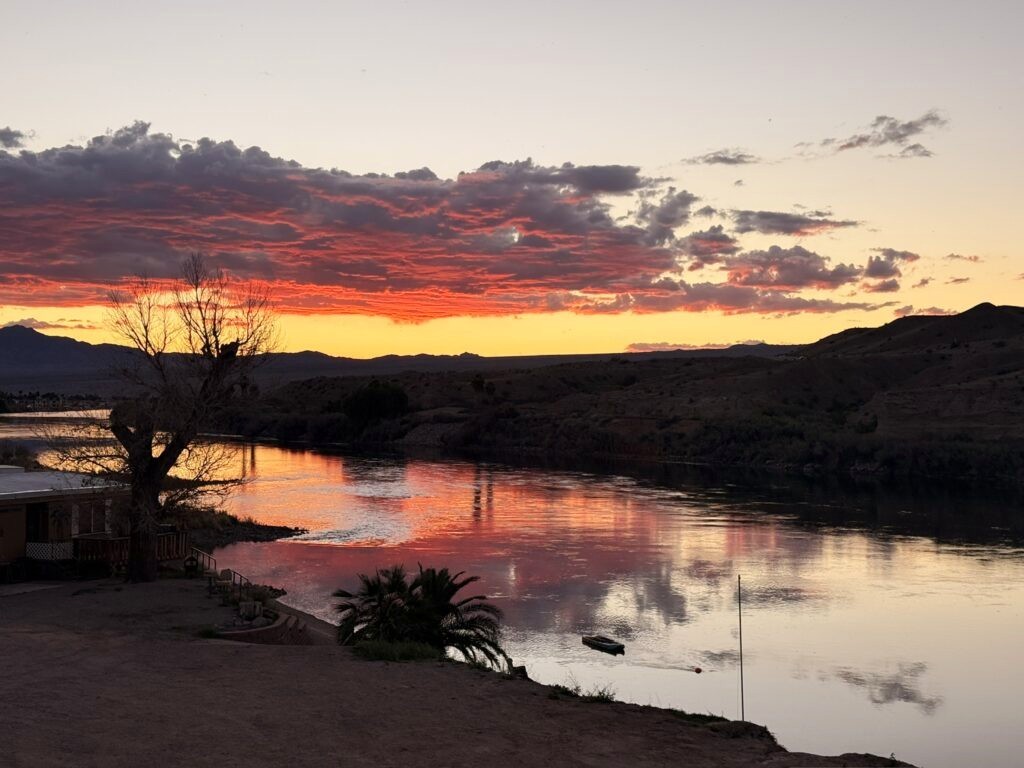
Even the desert pulled on us. Going through Arizona, the Colorado River, the dry country, we found a wonderful culture and a deep history. The desert isn't a place we want to stay a long time, but it's a place that calls to us. Every so often we just want to go fill our hearts with it, the huge sky, the quiet harshness of it, the history. Something about the desert has always had a hold on us.
Texas surprised us too. The Dallas-Fort Worth area was temperate and easy to live in, and the people were some of the friendliest we've come across anywhere in our travels. The tip-top of Northern California was gorgeous, beautiful weather and great people, and the California vibe we'd always been a little leery of just wasn't there. Southern Oregon was the same kind of gift, something peaceful and rugged and safe about it.
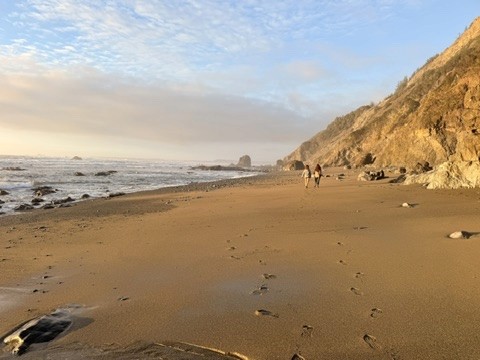
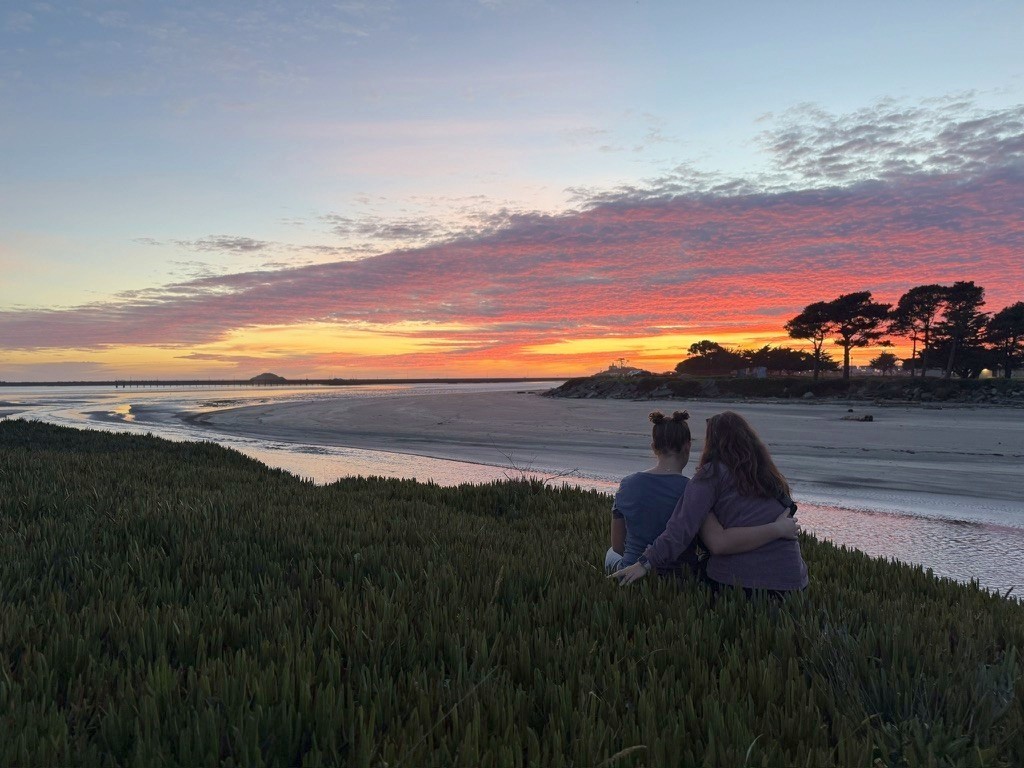
We've found our happy place in learning new cultures and seeing how other people live, and life is short. We've spent enough of our lives in Utah that we're okay being tourists there now. We'll always come back to visit family and finally do the things we never got around to. We're just not looking to move back, because there's so much else we want to experience first.
The desire for us to ever go back to our old way of living is nil.
Would We Do It Again
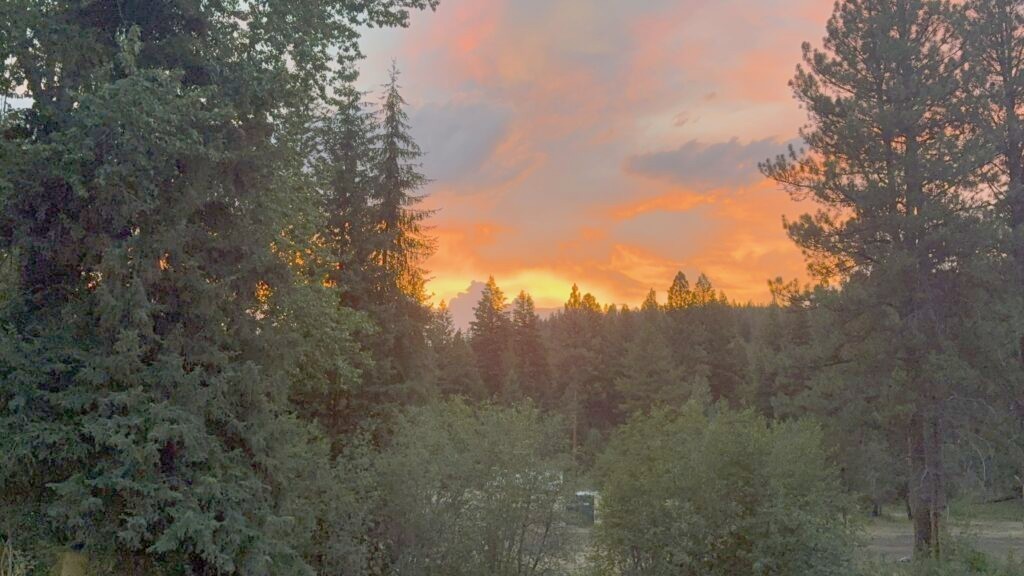
Would we go back to RV life? Absolutely. It's still on our minds. In some ways the RV life is perfect for us. You carry enough of your life with you that it stays comfortable, a small home that's still spacious enough, and moving is easy. You pack up a few things you'd set outside, fold everything up, and away you go. The kitchen, the comfortable living and sleeping, everything right there. It's simple. Somewhere in those months our perspective shifted, and we were happy with what little we had in the RV. We even felt like we had too much, and we got rid of a lot more of it when we moved into worldschooling. We came to love the fun of new places, new cultures, new people. We came to love the sunsets. That was a highlight everywhere we went, and we can't think of one place that didn't amaze us with its sunsets.
Even in eighteen months, across nine states and forty-one moves, we feel like we've seen so little of what the US has to offer, and that itch to go see the rest of it is hitting us hard. We've talked more than once about just buying a few properties and moving between them. But the more we think about it, the less it fits. And it's funny, the times we talk about it are usually the times we're worn out from moving, when it was a rough area or a rough move, especially a hard one for Hyrum. When things are hard for him, it's hard on everybody. We had pure exhaustion living the way we'd been living before, in the suburbs, and we've had pure exhaustion on the road. That's part of raising a special-needs child, and there's never not been some of it. Those were the moments we'd say maybe we should just settle down. But those moments always passed, and once they did we knew we weren't done. Seven days out of ten, if you ask us, we don't want to own anything or commit to anything like that. We want to keep life a little simpler.
What we've learned underneath all of it is that we're the ones who hold ourselves back from truly discovering a place. We come in with expectations, and they're skewed by wherever we just came from, so when a new place doesn't match them there's disappointment and frustration for a while. Then something gives, and we start to adapt, and we start to learn the area. We've watched it happen time and time again, everywhere we've been. When a place didn't meet our expectations at first, something in us had to change, and then we'd begin to see why it's beautiful and why people love it there. We've come to have confidence that this is just part of life, and probably something everyone goes through whether they move constantly or stay in one spot. Sometimes we get stuck in a rut and forget that we ourselves are usually the problem.
We're only a little over a month into this new lifestyle. Eden has said she loved the RV life, and there were times she was excited to settle down too. She was really excited to come to Central America, and now that we're here she loves it, but she'll also tell you she's open to going back to the RV life someday and doesn't want to give it up. None of us is ready to give it up, honestly. We look so favorably on our time in the RV that all of us are open to the idea of doing it again. It's a great way to live. If we ever move back to America, we will probably go back as an RV family.
For now we're worldschooling, and it's had the same arc a new place always has for us. The week of travel to get here was rough on everybody and took some recovery. Then came the early disappointment, worrying we weren't finding the creatures our son wanted to find, things getting hard for a moment. By week three it started to turn, week four was amazing, and here at the start of week five we love it. We can see the beauty and we've finally settled in. It took us the better part of four weeks, which we've learned is normal even in RVing, let alone in a whole new country with a new language. We thought we might only stay two months, and now, at the tail end of the first, we're hoping we have enough time to see everything we want to, because the longer we're here the more we've learned how to discover it.
The last thing we've learned is how to hold a plan. We do some planning, but we sketch and outline, because life is hard to plan and it's harder still with the amount of change we live in. We plan to be prepared and plan enough to have direction, and we leave the details for when we arrive. When we first started RVing we sat down and built this enormous five-year plan, every move mapped out, and almost none of it happened. You plan where to boondock until you figure out where you actually want to be, and you leave the rest open. Plan every day of a two-week stop and it just wears you out, and then you get somewhere and hear about a place that was never online and the whole plan is in your way. It's the same right now. We planned three months in Roatán, then thought maybe two, and we still aren't sure which. We figured we'd chase beaches at first, since that's what we thought our son would want, but he's craving animals now, goats and chickens and some jungle, so we're thinking hard about the cloud forests of Guatemala next, the Lake Atitlán or Antigua area. We didn't plan for that. You adapt as you go. That's what we're doing.
If you're weighing whether RV life is worth the tradeoffs, we've written more on the practical side of it too, including how we think about new versus used RVs, the age we've found makes the most financial sense to buy at, why we've stayed away from financing one, and what works for laundry once you're living in one full-time. And if driving instead of flying to a destination like ours ever crosses your mind, our route guide from Texas to Roatán walks through exactly how we did it.
Related posts


Get new posts by email, a few times a month, nothing else.
May there be a road.